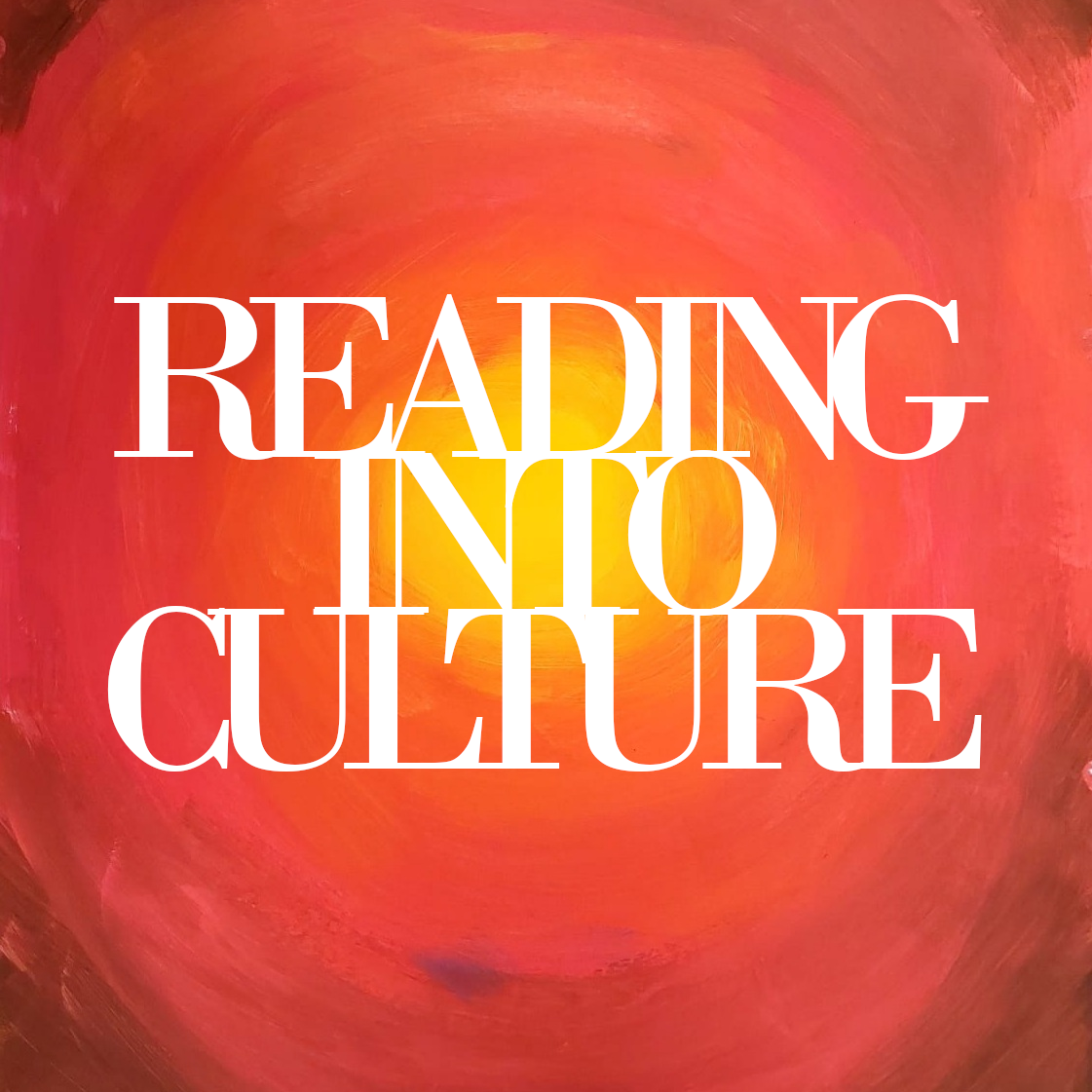
Sara and I are proud to introduce the Autumn 2026 of Reading into Culture. This edition has been a joy to put together and I feel we have a really compelling mix of pieces this time round.
Unfortunately, Sara and I have decided to put the Reading into Culture podcast on hold for a while due to our lives becoming much busier and us therefore having less time to dedicate to the magazine. The podcast was great fun and I feel we had some truly fascinating discussions which I would still invite anybody who is interested to check out on our YouTube page. However, it was also a tremendous amount of work. Hopefully, we should be able to focus our time purely on the magazine now and (hopefully) that should lead to a higher quality outcome.
And I hope you agree that this edition is a magazine of high quality. We have focused primarily on poetry this time round, although we publish an excellent non-fiction piece and an excellent fiction piece. These pieces are diverse in style and theme but one thing that, in my mind, brings them all together is a sense of failure or decline. These are pieces that try to come to terms with that failure in whatever we may fail at, whether that is as an artist, a black magic practitioner, or even a racist institution. Perhaps poems are inevitably failures, never achieving the beauty or unity they hope for. Certainly, the publishing of a magazine like this can often feel like a failure, you do as much as you can but eventually you have to say ‘this will have to do’ and publish the damn thing.
But it’s not all bad news. We are delighted to have Olivia North and Tooba Azfar working together again on our cover. Tooba’s art and Olivia’s design are truly stunning in my opinion. We have also decided to begin publishing slightly longer fiction pieces, no longer limiting ourselves to pieces around 2,000 words, but instead allowing pieces in the 3,500 range. We feel this allows pieces to be more complex and interesting and to have a plot that develops. This is not to say that we are no longer interested in fiction shorter than that, as it certainly has its own strengths, but we will now also consider longer pieces.
All in all, we are truly excited for you to read this edition. Thank you so much to everyone who helped us make this possible, all the contributors, all the writers who submitted, and especially Tooba and Olivia. None of this would be possible without all of your help and we cannot thank you enough. It is such a privilege to be able to do this, it really is such fun and we hope you all have fun reading our work.
Christopher On
Co-editor-in-chief
Rottenburg am Neckar, October 2026